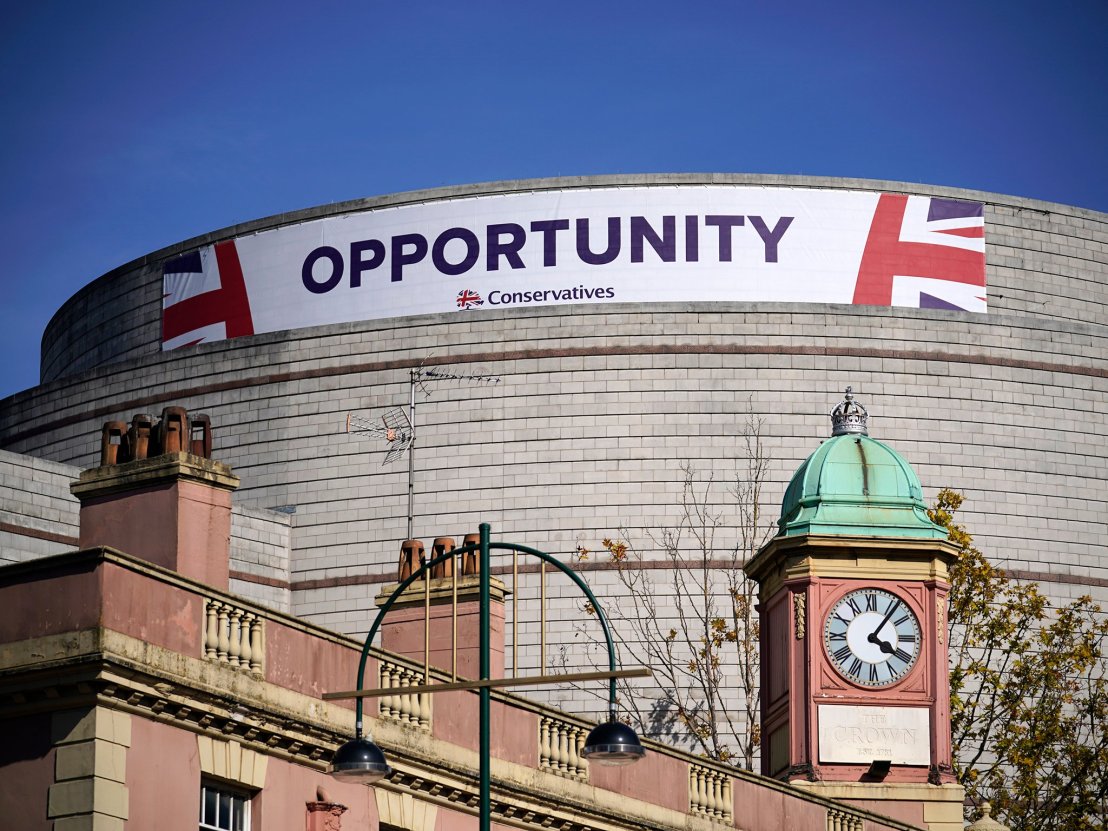
 So I’m certainly enjoying this year’s Conservative Party Conference. There’s a far livelier, more dynamic atmosphere abounding than last year’s conference, which had felt like a wake in the context of a stinging electoral setback against a nigh on Marxist-Leninist Labour Party.
There’s a real desire amongst activists and MPs to make a more positive, energised case to the British electorate about the kind of country we can be if we concentrate on building a dynamic, entrepreneurial and opportunity-rich agenda that gives people an incentive to strive.
It’s only the mid-point of Tuesday, so plenty of interesting events and speeches still ahead, including the Prime Minister’s set piece address to conference on Wednesday, but I thought I’d share a few key reflections on what I’m taking away from this party conference.
1. The party has its confidence back and wants the leadership to fight on authentically Conservative terrain and principles. There’s a visceral dislike of ‘Corbyn-lite’ positioning.
While it’s hardly news that some of the more ‘nanny-state’ esque rhetoric and policy interventions we’ve been making over the past couple of years have alienated large sections of the membership, it’s still been really interesting to see the contrast with last year’s party conference.
In 2017 the party stuttered through conference, searching for answers while asking the wrong questions. There was a lot of collective navel gazing about the durability of our electoral coalition in the era of Corbynomics, and a feeling that we were no longer in a position to set a strategic direction of travel for the country. There was a mood of ennui and self-doubt.
Fast forward 12 months and I see a party that’s getting its mojo back. We certainly don’t all agree on everything – Chequers is a major faultline within the party as is the question of leadership in the medium to long term – but there’s a sense that we can and will win a majority if we take the fight to Labour on the economy, on public services, opportunity, and Britain’s place in the world.
2. We’re all capitalists, actually
There’s a really strong mood on the fringes that the best way to fight the Corbyn-McDonnell platform is not to ape a Red Ed 2015 manifesto when it comes to the economy and the role of the state.
At the various events I’ve attended hosted by Policy Exchange, CapX/ Centre for Policy Studies and others like FREER, there’s been a lot of really healthy focus on the need to not only to bring forward positive policies to bolster productivity but also to make a clearer case for why free, intelligently-regulated markets and open trade in the global economy make our lives better.
Vicky Ford MP, one of our newer intake ones to watch has been really impressive around various fringes I’ve been to in importing Conservatives to do far more to shout about the record level of increased investment we’re making in relation to science, research and innovation spending.
Industrial Strategy appears to be getting a better hearing in the Conservative Party these days but there’s a detectable view that Government needs to make it more comprehensive and less gimmicky – looking beyond the primes and finding better ways to help small and medium sized supply chain businesses modernise and grow.
3. People want Global Britain to become a tangible, consistent agenda – and are baffled by the eve of conference announcement on stamp duty for foreign buyers
There’s a real sense that we need to make Global Britain real, and stop doing things that undermine that narrative.
I’ve been to some great fringes on the economic, soft power and security dimensions of what Global Britain should amount to, and there’s no shortage of good ideas from Conservative MPs, thinkers and members. Chris Skidmore’s consultative event with party members through the Conservative Party Policy Forum on Monday morning was a particular high note. Far from ‘Colonel Blimp’ type characters complaining about international aid, there were incisive contributions from the floor on what a new UK-Government rather than OECD set definition of a 0.7% of GDP commitment to GDP could like. I’d encourage members to get more involved with the Conservative Policy Forum in the coming months which Chris Skidmore and George Freeman are driving forward at an impressive rate.
While Theresa May and Philip Hammond are actually saying many of the right things about the need to position the UK as a champion of free trade and a dynamic economic partner to the world when it comes to innovation, the financial, digital and professional service economy, and high-value manufacturing, there’s real consternation at policies and pronouncements that then undermine our reputation for openness.
The eve of conference announcement of a hike in stamp duty contributions for overseas-based buyers of homes was very evocative of the spirit of Nick Timothy’s ‘Erdington Conservatism’ strategy.
But bar one eccentric ex-UKIP Parliamentary candidate who has recently re-joined the party, I’ve not encountered a single Conservative Party member who is a proponent of the move. Many in fact feel its an unforced error that undermines the image of an open, inward-investment welcoming country we are trying to build for the post-Brexit era.
4. There’s a clear desire to Chuck Chequers, and many more Re-Leavers in the party than people perhaps realise
You’d have to be living under a rock not to grasp that the Conservative grassroots are strongly in favour of ‘chucking Chequers’.
There’s a very prevailing view that the UK needs much greater regulatory flexibility if it’s to make the most of an independent trade policy after Brexit. There’s also a strong degree of support for the Boris Johnson/ David Davis perspective that the EU responds to a clear show of strength and resolve.
What’s been really interesting is to see how many Conservative Remainers within the membership have fully made their peace with the reality of the UK leaving. Some are positively enthusiastic about it, and you even find 2016 Remain Tories sporting ‘Chuck Chequers’ badges around the conference.
5. There’s a growing desire to move the national debate on from ‘how we leave’ to what we do after we leave.
One of the most heartening things about this conference for me has been the focus on the fringes on how we can make the most of Brexit as an opportunity for national renewal.
There’s a clear acknowledgement in panel discussions I’ve attended that the country is divided and that many of those voters who backed Brexit are not ‘Daniel Hannan’ esque liberal Brexiteers. Controlling migration policy was a clear motivating factor for some voters. There’s nevertheless a view within the membership and the Parliamentary Party that it’s in the nation and the party’s long term interest to carve out a pro-active role on the world stage as a champion not just of free trade but of openness to new technology and new ways of working more generally.
There’s also a view that regeneration needs to be an agenda that’s far less about the state doing for people and much more about a decentralised ethos of encouraging commercial and social enterprises to come up with great ideas which government at a local and national level can help to get behind.
Final thoughts:
Overall I’ve really enjoyed the party conference so far. I’ll share further reflections this week on Boris’ speech and Theresa May’s speech when I’ve had a chance to digest the former, and hear the latter. If you’re up here with me, enjoy the rest of conference. And if you’re not, get next year booked!
 Daniel Cremin's Trove