After the comprehensive drubbing it received at the ballot box, all hopes for peace and goodwill within the Labour Party this Christmas have died.
Labour is now in open warfare on multiple fronts:
Long quote tweet spats between the blue ticks on Twitter;
Emoji and Gif crusades on the Facebook forums;
Harsh words in CLP branches;
Shouting matches on the TV couches.
My piece, written from an outsider’s perspective by a former Labour member turned Conservative, seeks to get to the heart of why Labour is in such a state. It sets out 6 key giant problems facing Labour as it looks beyond its bleak winter to the future.
It’s written as an intellectual exercise, rather than in gloating terms, but to be frank I would like the Conservative Party to capitalise on Labour’s weaknesses in some of these areas in terms of our own positioning.
I delve into each of these in turn, but at the headline level these are the 6 giant Labour problems stalking the landscape:
1) Loathing of the foundations of New Labour’s appeal, electoral longevity, and success in office.
2) Antisemitism, “Tory scum” and the broader conspiracy culture.
3) An unbridgeable divide over Europe and the quagmire of Rejoiners Vs Aligners ahead.
4) The shift from working class to woke political orientation.
5) A preference for comfort zones over competitiveness – Labour fairy tales.
6) Factionalism, screech mode communication, and “me, me, me” attitudes.
Compromise is not a dirty word Mrs May implored her colleagues and the country as she announced the end her short, yet at times seemingly interminable, premiership. Lecturing others on compromise is fairlyrich to begin with from a Prime Minister who excelled in being stubborn, prickly and imperious for much of her premiership.
Mrs May does, however, makes a valid point. Compromise, in the right spirit and context, is a perfectly acceptable notion in politics. But compromise can only function in a context where you have clear redlines in terms of your objectives, and are willing to show flexibility and good will beyond these redlines.
The truth is that after May gave up on her deadlines, she gave up on her redlines. As she at last, thankfully, discovered, you cannot compromise on sovereignty, democracy, and national self-respect simply to “getBrexit done”. Make no mistake she was prepared to legislate for a path toa permanent customs union and make Brexit conditional on a second referendum.
Few would doubt the sincerity of May’s emotional commitment to duty in the interest of public service. She did what she thought was right from the perspective of how she viewed the national interest best being served.
But however admirable that commitment to duty may be in theabstract, the hard reality is she chose in her final weeks to debase her office, and possibly doom her party, by seeking a squalid, arid compromise with a Labour Party led by an uneasy top team coalition of Marxists and Europhiles.
To anyone with an iota of realism, it was clear this wasnever going to be politically achievable or democratically legitimate in the minds of millions of Leave voters.
The result is she and her continuity-Remain allies in the Cabinet have now bungled the negotiations, broken the vow to leave at the endof March, and publicly endorsed the notion of legislating for a permanent customs union and a second referendum. They have fundamentally ruptured trust in the Conservative Party and, just as worryingly, the legitimacy of our two-party Westminster model system.
A neat compromise just isn’t possible now – if it ever was
There is a hard truth for Theresa May and her team here. When it comes to Brexit, the time for compromise was long before 29 March. There was rich scope to reset the approach to these negotiations by, for example, pursuing a more straightforward Canada style FTA outcome in terms of the UK-EU economic settings that could be enhanced over time.
The time to be reasonable and build consensus within either her party, or across the Parliament, was long before 29 March. This failureisn’t solely the responsibility of Mrs May and her aides, to be fair. This isan abject failure of the political class and many voters understandably view this as a national humiliation and an indictment of failing parties.
Some arch continuity-Remain advocates like Tobias Ellwood MP are doubling down on the “compromise at all costs” stratagem. Appearing on the BBC for the European Elections overnight on 26th and 27thMarch, Tobias actually advocated that the UK should approach any fresh renegotiations with the EU with “no redlines at all”.
Apparently, in Tobias’ mind it is perfectly acceptable forthe EU to have redlines such as a backstop without an end date, but not for the UK as we seek the fabled “good deal”.
It’s not just good sense that has been a casualty of this Mayite farce. The failure to keep our word and leave in an orderly manner on 29 March has inflicted real damage to the national psyche, the reputation of our democratic processes and institutions, and the tone of our public discourse. Forget the plummeting poll ratings for a moment. The real tragedy is that trust and civility are now in free-fall because of this manifest failure.
Forget the fudge – we need steel, verve and vision now
Now of course Theresa May did face big structural challenges when she secured the leadership in 2016. No one could deny negotiating Brexit was a challenging hand that would test the skills of many of the best leaders in this country’s great history.
Yet as the businessman Simon Jordan argued on Question Time on the eve of her resignation announcement, Mrs May has failed because of her own unforced errors and ineffectiveness. At root, May just wasn’t a good leader.She didn’t have a serious Plan A, let alone a Plan B, didn’t know how to negotiate robustly, and crucially, wasn’t prepared to walk away.
If the other side knows this, and pushes you hard accordingly, then you aren’t in a negotiation, you are in an instructional briefing. As a result, May was always on a hiding to nothing, and her downfall is self-inflicted.
Right from the outset the problems were clear. The media repeatedly carried briefings from those in Whitehall that Mrs May was trying to run an entire government in the rigid, autocratic way she had run the Home Office.
May didn’t surround herself with capable, candid fellow leaders. Nor, with the all too brief exception of Dominic Raab, did she pick robust negotiators. Most crucially, she didn’t have an engaged, genuine conversation with her party’s Leave supporting MPs about what the redlines should be for the negotiations. She chose to mollify them rather than engage them.
Indeed, May seemed to go out of her way to assemble a “cabinet of all the opinions” who, well before the 2017 General Election debacle, were already singing from very different hymn sheets on Brexit policy and scrapping in public as well as behind closed doors.
May herself chose to govern by platitude: “Brexit means Brexit”, “burning injustices, the list of atrocities against the political lexicon goes on. But, quite apart from her own stilted, uninspiring rhetoric, Mrs May must also be held to account for having also allowed wildly competing visions of the future UK-EU relationship to be projected on the airwaves by her ministers with almost daily regularity.
It would have been in the interests of the country for her to make way in the summer or autumn of 2017 for a new Leader. Yet, when it came to evaluating what best serves the national interest, May couldn’t see past her own ethos of duty and desire for a legacy as the Prime Minister who – and I quote– would “get Brexit done”.
Part of the problem for May was of course she wasn’t actually in favour of Brexit. She could never quite bring herself to embrace it as a good option for the country in interviews. She would always pivot to say it was the choice the country has made, and she would help make the best of it. How visionary.
Under May’s direction, the civil servants not Ministers shaped Brexit strategy, and the UK conducted the negotiations without conviction, vision or optimism. As is becoming clear the back=channels between Brussels and Whitehall were regularly used to defuse any concerns that Mrs May actually meant what she was saying when she would rattle the “no deal is better than abad deal” sabre in public.
As Dominic Raab, who stepped up to the plate after Chequersas Brexit Secretary to try and save Brexit from the continuity Remain establishment, argued in a recent interview on Marr, the concept of leaving the EU wasn’t viewed by May and Robbins as an opportunity to create a freer, more vibrant future forthe UK.
Instead, in Raab’s words, they approached it with the spirit of a “miserly, dour risk management exercise” not a transformative opportunity for the UK to become an independent, self-governing nation with a bold trade policyand a new role on the world stage.
One might say that Mrs May, her Number 10 operation, and the senior civil service saw its mission on Brexit as being akin to the task of guiding a spirited drunk home safely to their bed.
Despite the seeming boldness of the much lauded at the timeLancaster House speech, Mrs May never really held any conviction in an intellectual sense towards a particular vision for Brexit. In place of conviction and creativity, there was merely a certain stubbornness to entertain models that were not the product of her own team in Downing Street’s thinking.
May failed to negotiate robustly, allowed the senior civilservice to undermine her ministers, allowed Philip Hammond and the Treasury mandarins to drag their heels for 18 months on funding for no deal planning, and continuously kicked the can of a decision point down the road.
The Robbins agreement deal she presented back in November 2018 was, in truth, dead on arrival; yet we have played out a repeated farce in the ensuing months because she was too stubborn to accept she should make way and allow for a fresh approach to be tried.
She sought to present an arid compromise that elicited almost no genuine support in the House, the party or the country. She convinced herself that the torrent of opposition from all sides of the Brexit debate meant her deal must in fact be the best option available.
The hard truth is you can’t find an easy medium on an issue so fundamentally polarising. Mrs May should have sought to honour the mandate given by the 52%, even if it meant having to manage a certain amount of economic disruption after leaving on 29 March.
The results of not doing so speak for themselves, and should tell those with a commitment to saving the Conservative Party one key thing: You cannot ride two horses and expect not to fall off before the finishing line.
We must choose a path as a party for the country to take and then stick to it. If colleagues have to part ways, so be it. If we have to fight an earlier General Election than we might like, so be it. We must delivering what we promised to do in 2016 – we must deliver a genuine Brexit, not a Brexit in Name Only (BRINO).
If we can renegotiate the withdrawal agreement to come upwith an acceptable solution on the Irish border that we and the DUP can accept,then this would be ideal. If we cannot resolve this issue, we should leave on WTO terms, manage the economic turbulence (which will settle down), and then wait for the EU to approach us for fresh negotiations.
The cost of a BRINO is not opposition for a few years before we bounce back in. We may end up becoming an electoral irrelevance like the once mighty Progressive Conservative Party in Canada found itself after a dramatic fall from power.
The One Nation Group in our party for their part believe leaving without a deal would be unacceptable in terms of the potential economic risk. But they need to ask themselves a hard question. Do they really want to bring the Conservative Party down and hand the country to a hard left Corbyn-McDonnell Government? That cabal would inflict far more serious damage by rolling back capitalism, bankrupting the state, and seriously eroding our freedoms as a people.
Ready for Raab and his resolute approach
We face an existential threat, on par in magnitude with thedecline the Liberal Party faced in the 1920s. We have a limited window of opportunity to win back trust and our traditional trump card – our reputation for steely competence.
We need a Leader who is authentically enthusiastic about Brexit, seeing it as the solution to the country’s challenges not the great problem of the age to be mitigated.
For me the best choice is Dominic Raab, who combines an optimistic vision for our post-Brexit future, with strong career experience and real grit and realism. He’s a doer not a virtue-signaller, who is not afraid to make challenging arguments and stand firm under pressure. He wants a freer, more opportunity-rich future for our country.
Unlike May, Raab will not stoke the politics of grievance with a “burning injustices” agenda that only cedes the intellectual and moral momentum to the left. He will instead seek to actually deal with the underlying drivers of social exclusion to help shape a more meritocratic, opportunity-rich society. He also, thankfully, doesn’t share her zeal for active government, and wants to reduce the size and scope of state activity and ease the tax burden on families and businesses.
Returning to the great subject at hand, though – Brexit – it is clear that while politics is a balancing act, it is impossible to engineer a split the difference compromise on Brexit. You are either an independent country with an independent trade policy or you are not.
The coming months will not be easy, and we must accept we cannot get everything that we want if a deal with the EU is in fact possible to clinch, but with robust, visionary leadership we can put the Brexit labyrinth in the rear-view mirror, get Britain on the rise, and lead a programme of economic and social renewal that inspires the country to trust us again.
We will need to be resolute under heavy fire and hold onto the conviction that the prize of a genuine Brexit is worth fighting for. Do that, and we can become the Conservative Party the country needs us to beagain. The electorate want decisive leadership. Let’s offer it to them.
Here are my thoughts on why I’m staying in the Conservative Party – for now – in the hope that I can help it to survive and recover its sense of purpose and self-belief.
I’m neither a tribal Tory nor a utopian. My patience is not infinite, and the Conservatives should not confuse loyalty with blind devotion.
Like many other party members I’ve watched with mounting horror the succession of train wrecks the Conservative Party has inflicted on itself since July 2016. I’ve been far from silent about it, and I’ve advocated for change repeatedly, as have so many others, to little avail.
To little surprise, we’re now in dire straits now as a party – a situation entirely of our own making due to the failure to deliver a genuine Brexit and govern in a recognisably Conservative manner. Many have walked away, and many more may be about to do so.
I wasn’t born into the Conservative family – I chose it
To explain my reasoning for why I’m sticking around, I’ll start with why I came to join. It helps provide a context.
I’m not a natural born & bred Tory. Indeed I’m a former Labour Party member and I grew up in an anti-Thatcher household. But I see Margaret Thatcher as the most creative & consistently impressive PM we’ve ever had. Despite my New Labour background, I am not a TRG type in the party .
I’m far more in favour of the enlargment of freedom, a smaller state, lower taxes and a rebalancing of the social contract to place greater emphasis on individual and social responsibility. I’m a classical liberal Conservative who doesn’t see ideology as a dirty word, and has little time for the path of least resistance, ‘cult of pragmatism’ mentality.
I joined the Conservatives in 2011 having watched with growing admiration the agenda the party had shaped in Opposition and then in Government -particularly in areas like education reform. I was sick to death of Labour’s insipid statism and resurgent chip on the shoulder classism. I saw the light and realised that I’d been in denial for many years: I was far more ideologically suited to the classically liberal centre-right of British politics.
I wasn’t afraid to join the Conservatives having been a member of Labour, and I’ve never regretted it. I can honestly say to anyone I joined because of the ideas, not with career ambitions.I’d made my mind up years before then that I didn’t want to be an MP or a Councillor.
I joined the Conservatives as I was inspired by the vision Cameron, Osborne and others had set out of a Britain on the rise, with user-centred public services and a re-balancing of the social contract to reduce dependency culture.
I’ve spent many good years in the Conservative Party since I joined, contributing to its success however I could. I started CORE , an ideas and discussion network for centre-right liberal Conservatives, that is very active today, with over 2000 members on its forum. I’ve canvassed, leafleted and stuffed envelopes more times than I care to remember. I’ve done my bit and then some, and never regretted my decision to join.
Treated like absolute mugs
But now I feel my faith in the party is being sorely tested. I had my concerns about May even before she stood for the leadership given her cack-handed approach to complex issues at the Home Office. I felt she’d been an unusually lucky Home Secretary. I was uneasy when she won the leadership, and had wanted Gove to beat her. But like many others I opted to give her a clean slate and get behind the party. The early signs were mixed – the Lancaster House speech on Brexit was positive, but many of her domestic policy initiatives were deeply flawed.
After the 2017 General Election, I was one of those who openly advocated for her to either resign or be removed. I have like many others volubly protested many times throughout the May era as I’ve seen us take wrong turn and make unforced error after unforced error.
It’s not just our Potemkin strategy for Brexit (in name only), atrocious thought that is. The rot has set in across a far broader sweep of policy areas. The membership at different points has been hectored, patronised, or – most frequently – entirely ignored as we’ve registered our concerns and implored for change. We’re treated like absolute mugs.
We were already entering an existential crisis as a party by the time May brought Olly Robbins’ deal back to the UK for the first time in 2018. We’re now in the ICU, fighting for life. Many in Westminster underestimate how serious this is, but I don’t. We‘re crumbling. Trust once broken, on such a fundamentally important issue, is not easily rebuilt.
I have many friends in the Conservative Party, a great respect for its culture and its historic achievements, and an affinity with many of the ideas of espoused by the leading centre-right & conservative thinkers of today. But like many I frequently feel I’m on my last nerve.
Last night’s revelations that we’re prepared to legislate for a customs union and a second referendum if Parliament wills it during the passage of the Withdrawal Act Bill are just the latest in a long line of kicks to the gut.
The chink of light at the end of the tunnel – A freer future
My last nerve is being sorely tested. I don’t have relatives in the party. I don’t have colleagues on a council group or voters I’d be letting down if I walked away. I don’t want to leave, but I have enough life experience to know that party politics isn’t the be all and end all. My real friends from my days in Labour stayed my real friends after I left, and many of them, to their credit, also left when the party lowered itself into the gutter under Corbyn.
I am staying in the Conservative Party not out of tribalism or careerist ambition, but on the basis of hope. It’s a kindling of hope, not a roaring fire, but it’s still there.
It doesn’t take much to work out what that hope is. The one chink of light at the end of the long, dark tunnel we’ve been desperately clambering through is the leadership contest. A rapid leadership contest, over in mere weeks, might lead to the selection of a high-quality Prime Minister capable of restoring our fortunes and leading the country to a freer, better future.
We would need to deliver a genuine clean break Brexit but we would also have to do so much more to inspire voters to trust and vote for us again. We would have to advance an authentically Conservative agenda centred around the enlargement of freedom and the cultivation of responsibility and civility in society. These are not mutually exclusive objectives.
We also need to widen prosperity by unlocking the barriers to productivity and rolling back the currents of cynicism towards free enterprise and free markets that too many in the present Cabinet have only helped to encourage.
Hold onto that last nerve
I am staying not out of blind, unquestioning loyalty to the largely desiccated top tier of a failing party. I am staying, as I’ve outlined, because I believe there is still a window of opportunity to save our party, trounce Corbyn, and build a freer, more opportunity rich future for the UK outside the EU.
But I’m not Panglossian in my outlook. We are in dire straits. And my self-respect and integrity will only allow me to go along with so much. I know this applies more broadly. If the 1922 Committee bungles it again, and May limps on for a long summer, then thousands more will leave.
I am holding onto that last nerve as best I can through the death rattle of May‘s regime. My view is that I will use my voice to urge MPs to give us a strong choice of final 2 candidates and then use my vote as wisely as I can.
If the MPs stitch it up to prevent people who genuinely believe in Brexit from reaching the member ballot, that’s on them and who knows what happens then?
I am staying for now because I’ve seen what this party can do, when at its best, to make the lives of people in this country better. I hope we can get it out of the ICU and back on the front foot. If we fail to do so, then that’s not on me, that’s on those in power who had the ability to act in the national interest, but didn’t do so.
We still have time, but precious little of it. We either have the courage and nous to transform our fortunes and inspire the country to trust us again, or we don’t. At the risk of sounding like the lamentable Change UK MP, Joan Ryan, it’s in our hands. Do we grasp the last chance we have, or do we let it slip?
Reform or die is a well known adage in politics. It captures the choice before the Conservative Party right now. Many seem content to muddle along with an attitude redolent of a cheesy 90s pop song at a Labour Students disco: “Things can only get better”.
Actually, they can get a lot worse, especially if we settle on a course of Mayism without May, and drift on without having the confidence to make an authentically centre-right case to the electorate about where we can go as a country. Responsible leadership isn’t simply about managing complexity and keeping the other side out – it’s about setting out a compelling direction of travel for the country and advancing it.
We need to listen to the ardent reformers – people like Liz Truss who recognise the hunger in the country for change and opportunity – not those content to “get through Brexit and then calm things down”.
The Conservative Party is in a deep rut right now – forget the deceptively reassuring polling of recent months. Those numbers strongly correlate to support for Brexit and dislike of Corbyn. Those variables play a significant role in explaining why we aren’t down at 26% in the polls.
The Conservative Party is not only increasingly forlorn, but dangerously disunited, with many of its most loyal erstwhile adherents looking on at its record askance – from Brexit to energy price caps, to banning anything that moves. Many in the membership are on their last nerve in terms of patience and goodwill. Large chunks of the existing and potential Conservative electorate are no doubt even more bemused, weary and out of sorts with us.
There’s plenty of blame to go around for this situation. The leadership of the party since that fateful summer in 2016 has been woeful, but so too has the wider architecture. Our associations appear to have lost their voice, the 1922 Committee executive is ineffectual, and CCHQ is in need of long-overdue renovation to put it mildly.
Nor can we solely blame the lack of a majority and the torturous process of delivering Brexit for our woes. Our Parliamentarians have also been far too accepting of a general listlessness and a litany of unforced errors.
When Mrs May went from a 20% lead in the polls to losing our majority, those of us in the party who had looked on askance at her direction of travel even before that General Election campaign, volubly called for her to go that summer.
We were told repeatedly to pipe down. That she was little more than a caretaker and that the party would take back control.There would be no more “Erdington Conservative” adventurism. I’m not a fan of that ethos at all, but at least Nick Timothy had a vision, however romantic it was, for what kind of country and party we should be.
Since 2017 we’ve had a confused dirge of domestic policies seeking to “steal Labour’s clothes” but actually serving to legitimize many of its arguments. Mrs May jumped the gun on post-18 reform, believing a “quick fix” with a Downing Street led review to slash fees could “win young people back”.
It’s now lost in the Whitehall long-grass. The Rubik’s Cube complexity of trying to reform university and broader post-18 skills funding to be both fair to students and properly resource their education, without adding to the deficit, has hit home. Whatever emerges will struggle to command a consensus in this fractured House. We’ve over-promised only to under-deliver.
Equally the Conservative Party has been forced to swallow an energy price cap which predictably led to what a Government spokesperson memorably stated was “the exact opposite of what we wanted to see happen”. While there is no doubt scope for radical market reform to benefit the consumer, this was a luddite policy that no serious Conservative should be backing.
Too many in the Cabinet have settled down to accept a pedestrian, grey political and economic strategy punctuated by moral earnestness about the need to police the vices of businesses and consumers. We seem to believe the way to demonstrate our commitment to “the greater good” is to actively seek out things to ban or lecture society about.
We don’t trust our citizens to be capable – we give free rein to Public Health England to regulate the calorie count in pizzas and campaign to ban McDonald’s from advertising before 9 PM. We are not the party of Harriet Harman, we’re the party of freedom and responsibility. What on earth has happened to our sense of purpose?
Let’s face it – we’ve become a party with a distinctly illiberal character in recent years, that puts too much faith in the wisdom of the “man in Whitehall” – or more aptly the “campaigner turned regulator in Public Health England”.
We’ve ceded a huge amount of political terrain to Labour to set the course of the next General Election as it is. We have swallowed whole chunks of Ed Miliband’s 2015 manifesto, with barely a whimper of protest from our own benches.
The Government has abandoned any pretence that it wants to challenge vested producer interests in the NHS, and the party has allowed the blob to once again regain control of the commanding heights of pre-19 education. The reforming zeal of the Gove era at DfE – when the Spectator and various think tanks held packed out conferences of education reformers and party activists to share ideas for a schools policy revolution – are long gone.
We have also bought into the idea that pandering to woke identity politics is a central feature of asserting the party’s ‘modern’ credentials. Now don’t get me wrong, I am a firm believer in the extension of opportunity and am not a critic of diversity.
But we’ve lost faith in the idea that voters value meritocracy and policies that genuinely foster aspiration and individual responsibility more than virtue signalling.
Most of the voters who could realistically vote Conservative in this country are not in fact raging “social liberals”. They’re social moderates – they are comfortable with tolerance and inclusivity. But they’re not “woke”, nor do they expect the Conservative Party to be. In fact many are likely as bamboozled as the party membership by the state’s rush to embrace the language and the policy agenda of woke identitarians, particularly in the sphere of criminal justice and freedom of expression.
The liberal Conservatives in the grassroots value individuality, treasure freedom, and believe we should be expanding opportunities but not engineering social outcomes. This vein of thinking can be found in Parliament, but one might say the authentic liberal Conservative cause has been “present but not involved” in terms of defining our party’s strategy since 2016.
Instead it’s the left of the party – the Wets – who buy into Mrs May’s “burning injustices” agenda and are fairly keen to extend the role of the state in people’s lives who’ve helped set the sail in recent years.
They’re of course not “socialists” or “social democrats”. But the “Greys” in government, as they’re increasingly called, like David Gauke, Greg Clark and Amber Rudd would not actually look that out of place in a Gordon Brown cabinet. There’s very little conservatism or economic liberalism playing out at the Ministry of Justice, BEIS or DWP.
In my view, we’ve no semblance of a long-term vision for what we stand for, what we want to conserve, and what we want to change to make the country better. People in Westminster are obsessed with histrionically debating the process by which we leave the EU and the “meaning” of the mandate given by Leave voters in 2016.
There’s been precious little real national level policy debate about the opportunities Brexit could present for de-centralisation of power, democratic renewal, regulatory innovation and new approaches to building productivity across the UK.
Where there is no vision, there can be no verve in politics. We have a cabinet predominantly filled with time-servers rather than transformers, with a few honourable exceptions.
Liz Truss is a notable exception to this. She’s loving life at the Treasury making the case for a sleeker, smarter state and for a bold agenda for popular capitalism.
Rather than pouring doubt on the social utility of markets, she focuses on the need for intelligent regulation to improve competition.
She focuses on choice, voice and innovation in public services – and is one of the few politicians in Westminster to realise that voters want better public services not just politicians lauding levels of investment while wearing “I love the NHS” badges.
The key thing about Truss – her ethos or doctrine one might say – is her lazer beam focus, as she makes the case for free enterprise and a freer society, is her belief that this country’s best days can lie ahead. That our future can be better than our past.
Too many in senior positions in our frontbench currently suffer from a paucity of imagination and aspiration in this regard. They are quiet life technocrats who want to take the path of least resistance more often than not. The country is crying out for change – more of the same is a recipe for managed decline.
Just as Mrs Thatcher broke a stultified, corporatist consensus in the 1970s, so too do we need a “Truss doctrine” mindset today to take hold across our party. We need to engage with greater gusto and skill in a battle of ideas, and we need to be comfortable to be outspoken as we do.
We’ve barely taken the field in that battle of ideas for the past 3 years, while Labour, for better or worse, have put forward a bold vision for what the country’s future can be, and how we are the party to deliver it.
This is not code for make Liz Truss the Leader of the Conservative Party. I think she’s incredibly talented but personally feel her talents would in the immediate term be ideally suited to the role of Chancellor or leading a beefed up Enterprise, Productivity and International Trade Ministry. We need a genuine economic liberal with some vision at the helm. Longer term, who knows? We should never put a cap on talent and aspiration.
We cannot hope to win a majority by running the next General Election as a “project fear” to lock Corbyn out of Number 10. It simply won’t be enough.
We need a “project freer” – an agenda to give people more control over their lives, more choice as a consumer, and to give them more power and influence to shape the communities around them.
If the centre-right can re-discover its clarity of purpose, its self belief and its openness to new ideas and calculated risk, the Conservative Party can not only survive, but it can go on to thrive.
More importantly it can build an agenda for a more empowered, prosperous and opportunity rich society that is globally engaged but also robustly prepared to weather the headwinds of globalisation.
I started with a well worn political adage, so I thought I’d finish with one as well that Liz Truss in particular is associated with: Decline is not inevitable.
If we put our faith in authentic and optimistic centre-right and conservative ideals and ideas, this country’s future can be very bright.
I thought I’d share some thoughts on our strained social contract. My starting point as a liberal Conservative is that I’ve always felt we should be optimistic about human potential but decidedly realistic about human nature.
That way we temper fanciful notions and naivety getting in the way of good governance, law and order, and a viable overall social contract, while still fostering an environment where aspiration – and critically – talent can readily flourish.
Right now we are in danger of over-promising and stoking unrealistic expectations when it comes to the domain of social mobility. We should be a party that is passionate about sowing the seeds of an opportunity-rich society, but we cannot engineer outcomes, nor should we seek to try. Our role is to empower people, ‘not decide for and do to’ them. Continue reading “Some thoughts on our social contract, human nature and the need for realism”→
A little later than intended, but a few final thoughts from me on Conservative Party Conference and where it leaves the Prime Minister, her Cabinet, and the membership in the context of what’s likely to be an increasingly antagonistic Autumn period as the business end of Article 50 negotiations unfolds.
So I’m certainly enjoying this year’s Conservative Party Conference. There’s a far livelier, more dynamic atmosphere abounding than last year’s conference, which had felt like a wake in the context of a stinging electoral setback against a nigh on Marxist-Leninist Labour Party.
There’s a real desire amongst activists and MPs to make a more positive, energised case to the British electorate about the kind of country we can be if we concentrate on building a dynamic, entrepreneurial and opportunity-rich agenda that gives people an incentive to strive.
It’s only the mid-point of Tuesday, so plenty of interesting events and speeches still ahead, including the Prime Minister’s set piece address to conference on Wednesday, but I thought I’d share a few key reflections on what I’m taking away from this party conference.
1. The party has its confidence back and wants the leadership to fight on authentically Conservative terrain and principles. There’s a visceral dislike of ‘Corbyn-lite’ positioning.
While it’s hardly news that some of the more ‘nanny-state’ esque rhetoric and policy interventions we’ve been making over the past couple of years have alienated large sections of the membership, it’s still been really interesting to see the contrast with last year’s party conference.
In 2017 the party stuttered through conference, searching for answers while asking the wrong questions. There was a lot of collective navel gazing about the durability of our electoral coalition in the era of Corbynomics, and a feeling that we were no longer in a position to set a strategic direction of travel for the country. There was a mood of ennui and self-doubt.
Fast forward 12 months and I see a party that’s getting its mojo back. We certainly don’t all agree on everything – Chequers is a major faultline within the party as is the question of leadership in the medium to long term – but there’s a sense that we can and will win a majority if we take the fight to Labour on the economy, on public services, opportunity, and Britain’s place in the world.
2. We’re all capitalists, actually
There’s a really strong mood on the fringes that the best way to fight the Corbyn-McDonnell platform is not to ape a Red Ed 2015 manifesto when it comes to the economy and the role of the state.
At the various events I’ve attended hosted by Policy Exchange, CapX/ Centre for Policy Studies and others like FREER, there’s been a lot of really healthy focus on the need to not only to bring forward positive policies to bolster productivity but also to make a clearer case for why free, intelligently-regulated markets and open trade in the global economy make our lives better.
Vicky Ford MP, one of our newer intake ones to watch has been really impressive around various fringes I’ve been to in importing Conservatives to do far more to shout about the record level of increased investment we’re making in relation to science, research and innovation spending.
Industrial Strategy appears to be getting a better hearing in the Conservative Party these days but there’s a detectable view that Government needs to make it more comprehensive and less gimmicky – looking beyond the primes and finding better ways to help small and medium sized supply chain businesses modernise and grow.
3. People want Global Britain to become a tangible, consistent agenda – and are baffled by the eve of conference announcement on stamp duty for foreign buyers
There’s a real sense that we need to make Global Britain real, and stop doing things that undermine that narrative.
I’ve been to some great fringes on the economic, soft power and security dimensions of what Global Britain should amount to, and there’s no shortage of good ideas from Conservative MPs, thinkers and members. Chris Skidmore’s consultative event with party members through the Conservative Party Policy Forum on Monday morning was a particular high note. Far from ‘Colonel Blimp’ type characters complaining about international aid, there were incisive contributions from the floor on what a new UK-Government rather than OECD set definition of a 0.7% of GDP commitment to GDP could like. I’d encourage members to get more involved with the Conservative Policy Forum in the coming months which Chris Skidmore and George Freeman are driving forward at an impressive rate.
While Theresa May and Philip Hammond are actually saying many of the right things about the need to position the UK as a champion of free trade and a dynamic economic partner to the world when it comes to innovation, the financial, digital and professional service economy, and high-value manufacturing, there’s real consternation at policies and pronouncements that then undermine our reputation for openness.
The eve of conference announcement of a hike in stamp duty contributions for overseas-based buyers of homes was very evocative of the spirit of Nick Timothy’s ‘Erdington Conservatism’ strategy.
But bar one eccentric ex-UKIP Parliamentary candidate who has recently re-joined the party, I’ve not encountered a single Conservative Party member who is a proponent of the move. Many in fact feel its an unforced error that undermines the image of an open, inward-investment welcoming country we are trying to build for the post-Brexit era.
4. There’s a clear desire to Chuck Chequers, and many more Re-Leavers in the party than people perhaps realise
You’d have to be living under a rock not to grasp that the Conservative grassroots are strongly in favour of ‘chucking Chequers’.
There’s a very prevailing view that the UK needs much greater regulatory flexibility if it’s to make the most of an independent trade policy after Brexit. There’s also a strong degree of support for the Boris Johnson/ David Davis perspective that the EU responds to a clear show of strength and resolve.
What’s been really interesting is to see how many Conservative Remainers within the membership have fully made their peace with the reality of the UK leaving. Some are positively enthusiastic about it, and you even find 2016 Remain Tories sporting ‘Chuck Chequers’ badges around the conference.
5. There’s a growing desire to move the national debate on from ‘how we leave’ to what we do after we leave.
One of the most heartening things about this conference for me has been the focus on the fringes on how we can make the most of Brexit as an opportunity for national renewal.
There’s a clear acknowledgement in panel discussions I’ve attended that the country is divided and that many of those voters who backed Brexit are not ‘Daniel Hannan’ esque liberal Brexiteers. Controlling migration policy was a clear motivating factor for some voters. There’s nevertheless a view within the membership and the Parliamentary Party that it’s in the nation and the party’s long term interest to carve out a pro-active role on the world stage as a champion not just of free trade but of openness to new technology and new ways of working more generally.
There’s also a view that regeneration needs to be an agenda that’s far less about the state doing for people and much more about a decentralised ethos of encouraging commercial and social enterprises to come up with great ideas which government at a local and national level can help to get behind.
Final thoughts:
Overall I’ve really enjoyed the party conference so far. I’ll share further reflections this week on Boris’ speech and Theresa May’s speech when I’ve had a chance to digest the former, and hear the latter. If you’re up here with me, enjoy the rest of conference. And if you’re not, get next year booked!
This year’s Labour Party Annual Conference was a decidedly less publicly acrimonious than has been the norm in recent years. After a hellishly challenging summer recess, Corbyn for the most part managed to avoid his party’s big set piece agenda setter being dominated by disputes over Brexit and anti-semitisim.
There was a clear sense amongst attendees that they have the momentum (sorry for the Dad joke) in terms of shaping the national debate about the economy, and while there clearly are still deep underlying tensions, this conference was an exercise in effective party management. Here are my thoughts on 6 key takeaways from this year’s party conference. Much of this is validation rather than new learning, but useful to highlight nonetheless.

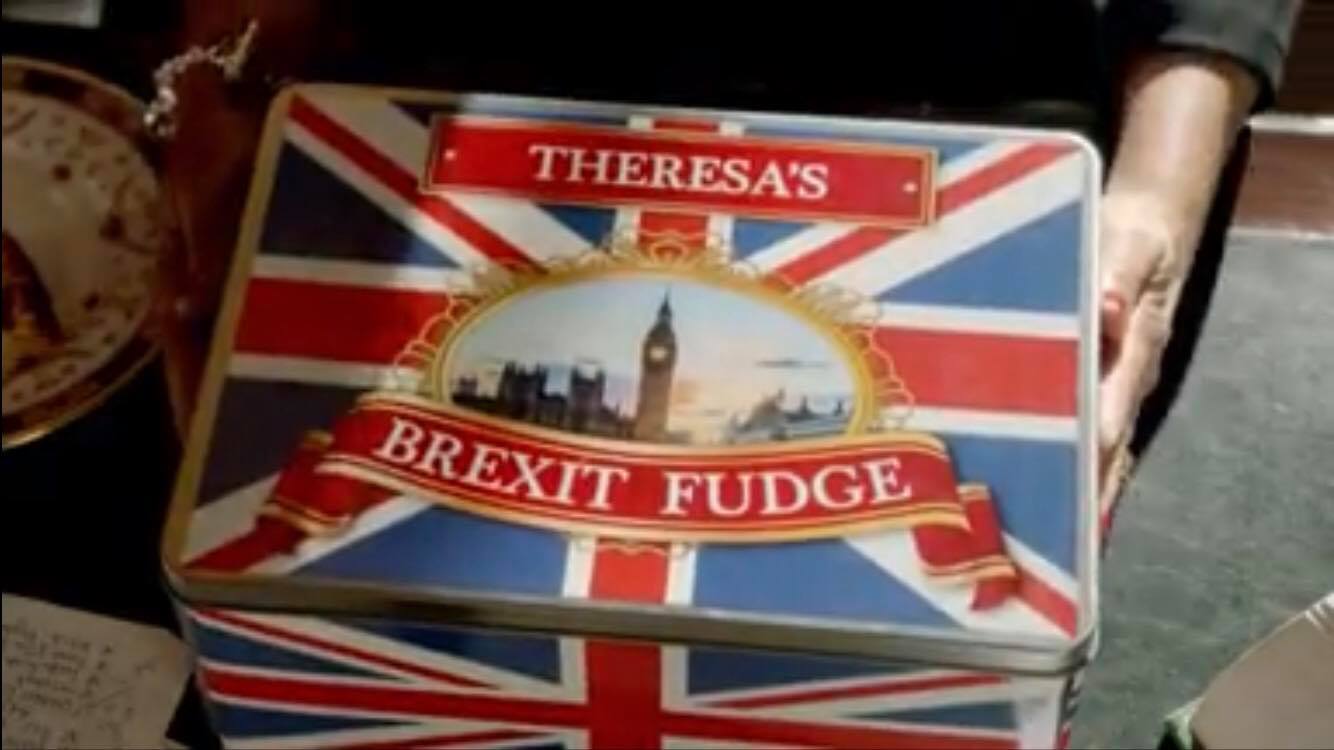

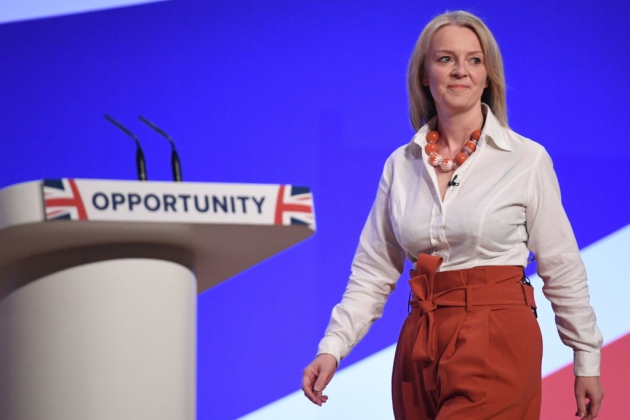
 A little later than intended, but a few final thoughts from me on Conservative Party Conference and where it leaves the Prime Minister, her Cabinet, and the membership in the context of what’s likely to be an increasingly antagonistic Autumn period as the business end of Article 50 negotiations unfolds.
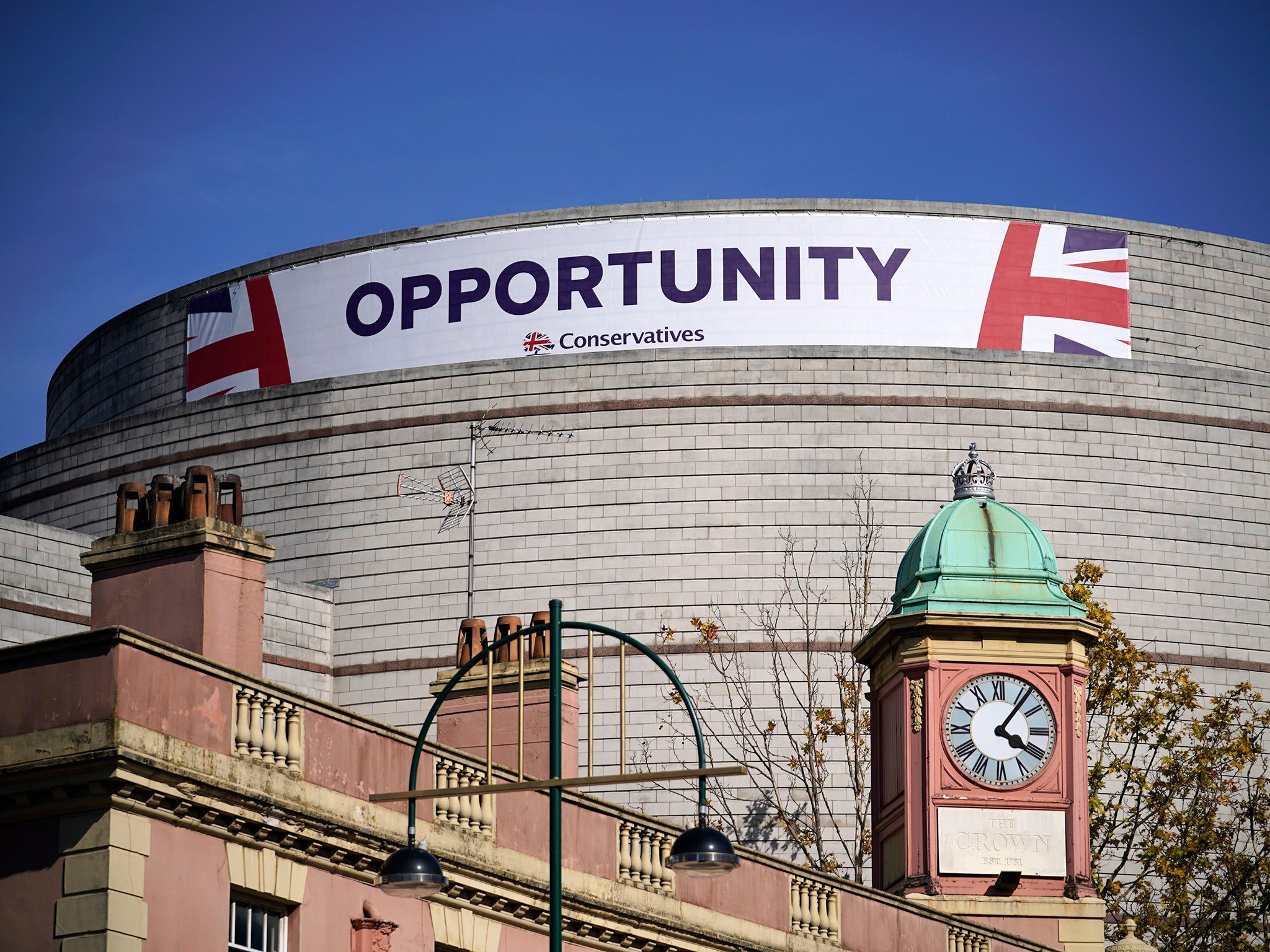 So I’m certainly enjoying this year’s Conservative Party Conference. There’s a far livelier, more dynamic atmosphere abounding than last year’s conference, which had felt like a wake in the context of a stinging electoral setback against a nigh on Marxist-Leninist Labour Party.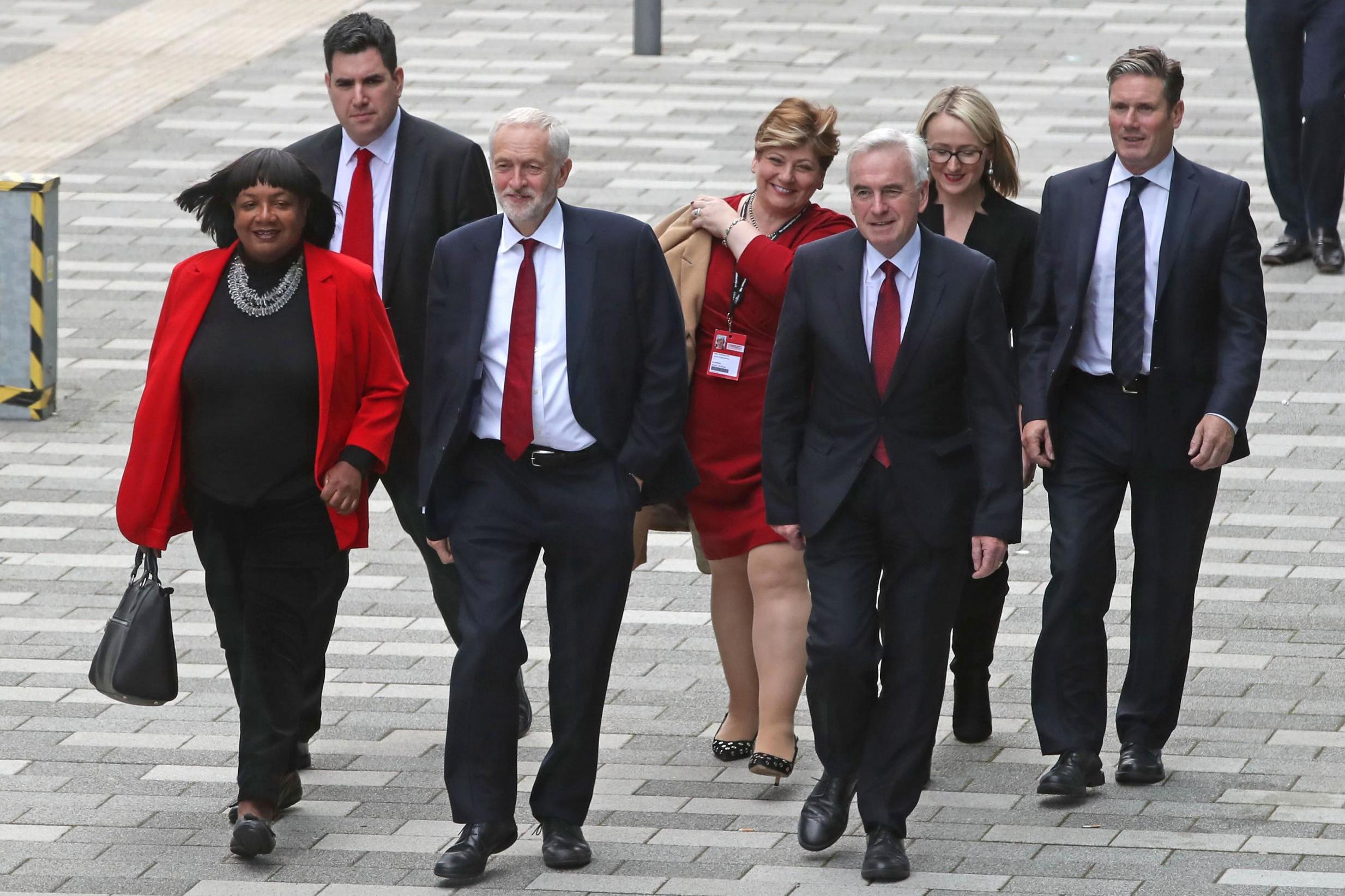
 Daniel Cremin's Trove